CJC-1295 and Sermorelin last different times
Sermorelin vs CJC-1295: One Clears Much Faster
Both drugs make the growth gland release hormone. Sermorelin clears in 10-12 minutes, while CJC-1295 can cling to a blood protein for days.
One drug lasts minutes and the other lasts days
Sermorelin and CJC-1295 both make the pea-sized growth gland release hormone, yet sermorelin leaves the blood in about ten minutes. CJC-1295 has an added piece that attaches to a common blood protein. That bond can stretch its work from minutes to days, but longer action does not prove more safety or benefit for you.
Both drugs press the same switch in gland cells
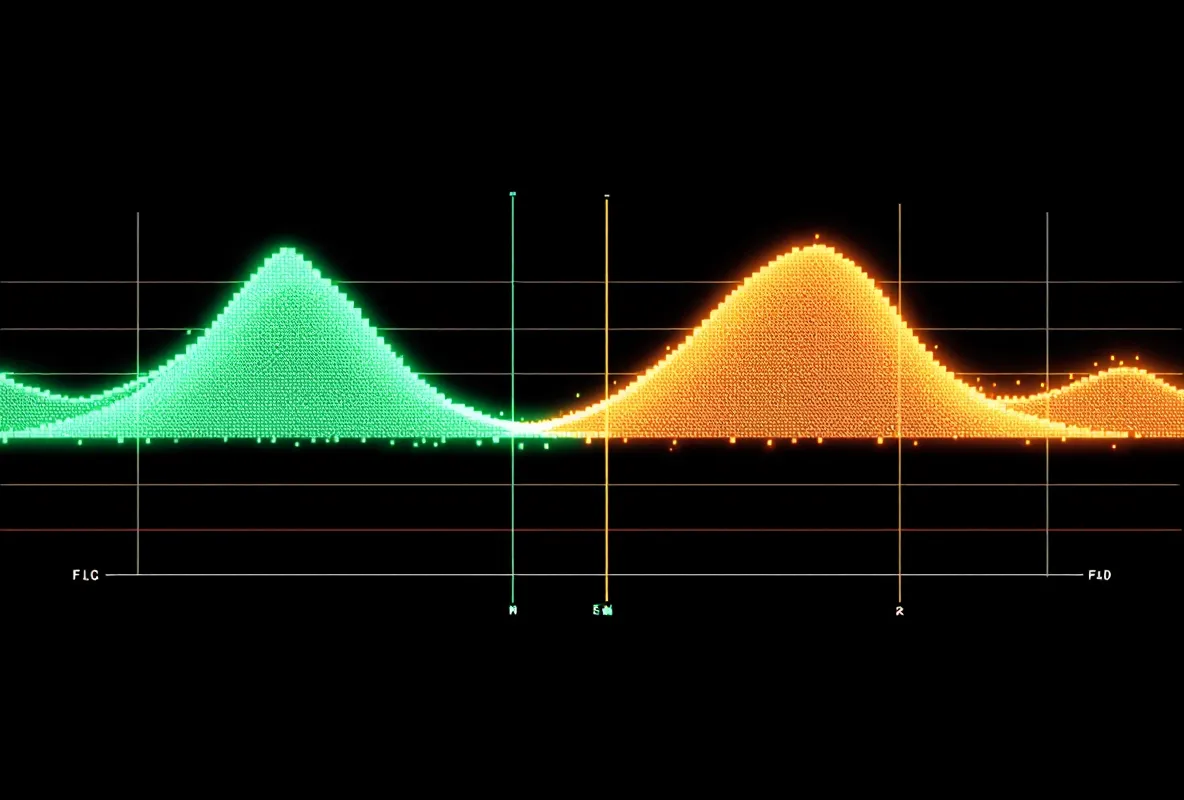
The two drugs fit one shared spot on growth-gland cells [15]. Sermorelin stays in the blood about 10-12 minutes. For roughly 3 hours after just 1 dose, blood levels of growth hormone remained above where they began [3]. Sermorelin cleared sooner than the hormone rise.
CJC-1295 has an added chemical link. The added link attaches to albumin, a common protein in blood. CJC-1295 can therefore keep growth hormone higher for days in healthy adults [15]. Sermorelin lacks the link that keeps CJC-1295 attached [15].
Short and long action raise different safety questions
Children got 1 daily sermorelin dose in one study [1]. Older men got the drug twice daily in another [2]. After each dose, growth hormone went up briefly alongside the body's natural bursts. The longer drug can keep telling the gland to act for days instead.
Neither drug has strong long-term safety proof in adults. Doctors haven't settled their use for slowing aging [5]. Growth hormone tells cells when to divide, so years of high levels raise a cancer concern [15]. That concern isn't proof that either drug causes cancer.
Longer action doesn't prove a better result
Sermorelin acts for a short time, while other hormones still limit each release [4]. CJC-1295 keeps the growth gland working much longer [15]. Research doesn't name one drug as the better choice. Different times may bring different risks, and long use remains poorly known.
Read sermorelin's blood results to see what changed in people. The sermorelin vs ipamorelin study covers a drug that makes the gland work another way. Neither comparison tells you which drug fits your health. Neither one gives a dose plan.
Sermorelin clears far sooner than CJC-1295
Both drugs fit 1 place on growth-gland cells. Sermorelin stays in the blood roughly 10-12 minutes [3]. CJC-1295 joins with albumin, one protein common in blood. Growth hormone can then stay high for days in healthy adults [15]. The time gap is the main proven difference.